

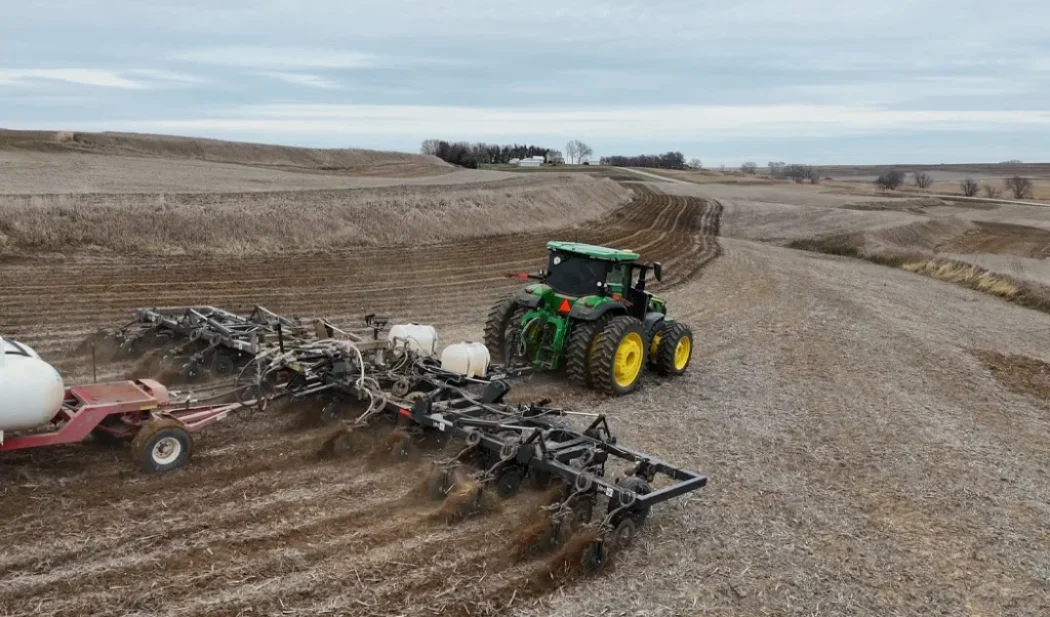
How Fall Weather Affects Nitrogen Rentention
As harvest wraps up, many farmers start thinking about applying anhydrous or other nitrogen before winter. Fall applications can work well — but timing and weather conditions make a big difference in how much nitrogen your crop actually gets to use next spring.
Here’s a quick look at how soil temperature, moisture, and weather affect nitrogen retention, and how to get the most out of your fall work.
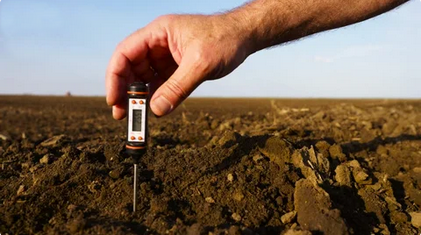
1. Soil Temperature – The Big One
Nitrogen changes form in the soil once it’s applied. After you inject anhydrous, it turns into ammonium (NH₄⁺), which sticks to soil and stays put. When the soil is warm, bacteria start changing that ammonium into nitrate (NO₃⁻) — and nitrate can easily wash away with rain or meltwater.
That’s why most agronomists recommend waiting until the 4-inch (or ~6″) soil temperature is consistently below about 50 °F and trending colder before applying ammonium-based N in the fall.
If you apply too early — when the soil is still warm — you give microbes more “runway” to convert that ammonium into nitrate, increasing risk of loss when conditions (wetness, thaw, warming) change.
You can check local soil temps here: https://www.greencastonline.com/tools/soil-temperature
2. Moisture and Field Conditions
Soil moisture plays a big part, too:
– Too wet: Ammonia may not seal well, and oxygen-poor soils can cause nitrogen to turn into gas and escape.
– Too dry: It may not react properly in the soil, so you lose some to the air.
– Just right: Slightly moist, firm soil that seals nicely behind the knife.
Field operations matter: injection depth, knife closure, soil contact — these all influence how well the N gets into the soil and stays there.3. Watching the Weather
Once you’ve applied, pay attention to upcoming weather:
– A warm spell after application can restart bacterial activity and increase losses.
– Heavy rain can push nitrate deeper or out of the root zone.
– Colder, stable weather helps keep nitrogen in the ammonium form until spring.
If your fall forecast looks unsettled, it might pay to wait for a stretch of steady, cool weather.
3. Should You Use a Stabilizer?
If soils are still a little warm or weather looks unpredictable, a nitrification inhibitor (stabilizer) can slow the conversion of ammonium to nitrate. It’s not required every year, but it’s a helpful insurance policy when timing is tight.
4. Working the Soil After Application
Tillage timing can influence how well nitrogen stays in the soil as temperatures change. After applying anhydrous ammonia, wait 2–3 days before working the field. This allows nitrogen to react with soil moisture and convert into ammonium, which is the more stable form in the fall.
If you used a nitrification inhibitor, keep in mind that aggressive tillage can break up the treated zone. That exposes nitrogen to more microbes and shortens how long the N remains protected — especially during a warm fall.
Best approach: Wait a few days, and avoid heavy tillage if soils are still warm or rain is in the forecast.
5. Takeaway
Applying nitrogen in the fall can save time in the busy spring season — but it works best when conditions are right.
Before heading to the field:
– Check soil temps (below 50°F and falling)
– Make sure the soil isn’t too wet or too dry
– Keep an eye on upcoming weather
– Record your field and soil conditions for next year’s reference
Good timing means more nitrogen stays in the soil where your crop needs it — not lost to the air or water.
Further Reading
Iowa State University: Fall Nitrogen Applications & Soil Temperature: https://crops.extension.iastate.edu/cropnews/2014/10/fall-nitrogen-applications-and-soil-temperature
North Dakota State University: Monitoring Soil Temperature for Fall Nitrogen: https://www.ag.ndsu.edu/news/newsreleases/2024/october/farmers-should-monitor-soil-temperature-when-planning-fall-nitrogen-application